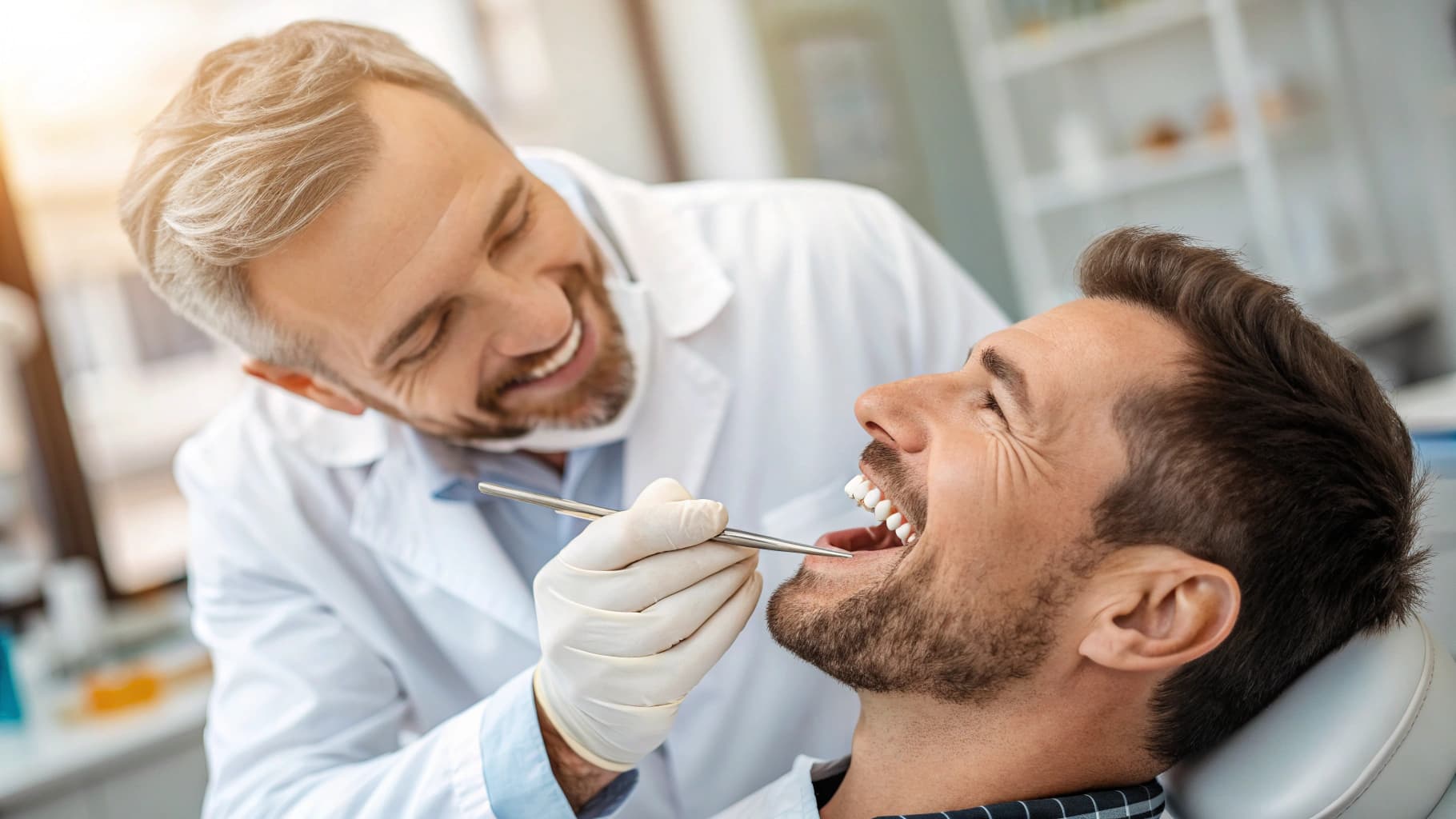
Your dentist just referred you to an oral surgeon. Maybe it’s for wisdom teeth removal, a dental implant, or something more complex. Suddenly you’re facing questions you’ve never considered: What exactly does an oral surgeon do? Is surgery really necessary? Are there alternatives? How can you prevent needing oral surgery in the first place?
Understanding when and why you might need an oral surgeon—and more importantly, how to maintain oral health that minimizes surgical interventions—can save you thousands of dollars, significant pain, and considerable anxiety. This comprehensive guide reveals everything you need to know about oral and maxillofacial surgery while exploring proactive strategies that keep your mouth healthy enough to avoid the surgeon’s chair altogether.
What Is an Oral Surgeon? Understanding the Specialty
An oral and maxillofacial surgeon (OMS) is a dental specialist who diagnoses and treats conditions affecting the mouth, teeth, jaws, face, and neck through surgical procedures. Unlike general dentists who focus primarily on preventive care and non-surgical treatments, oral surgeons undergo extensive additional training to perform complex surgical interventions.
The Training Behind Oral Surgeons
The educational path to becoming an oral surgeon is one of the most rigorous in healthcare:
4 years: Undergraduate degree (typically pre-med or biology) 4 years: Dental school (earning DDS or DMD degree) 4-6 years: Oral and maxillofacial surgery residency Optional 1-2 years: Fellowship training in specialized areas
Total: 12-16 years of post-high school education
During residency, OMS surgeons train in:
- General surgery techniques
- Anesthesia administration (including IV sedation and general anesthesia)
- Head and neck anatomy
- Trauma management
- Reconstructive surgery
- Pathology diagnosis and treatment
This extensive training allows oral surgeons to perform procedures that general dentists cannot, making them essential for complex cases requiring surgical expertise.
Oral Surgeon vs. General Dentist: Key Differences
General Dentists:
- Preventive care (cleanings, exams, X-rays)
- Restorative work (fillings, crowns, bridges)
- Simple extractions
- Non-surgical gum disease treatment
- Cosmetic procedures (whitening, bonding)
Oral Surgeons:
- Complex extractions (impacted wisdom teeth)
- Dental implant surgery
- Jaw surgery (orthognathic procedures)
- Facial trauma repair
- Tumor and cyst removal
- Cleft lip and palate repair
- TMJ surgery
- Reconstructive surgery
- Sleep apnea surgery
The collaboration: Your general dentist handles routine care and refers you to an oral surgeon when surgical intervention becomes necessary.
Common Reasons You Might Need an Oral Surgeon
Understanding the most frequent situations requiring oral surgery helps you recognize when specialized care becomes necessary:
1. Wisdom Teeth Removal (Third Molar Extraction)
Why it’s needed: Wisdom teeth often become impacted (unable to fully emerge through gums) due to insufficient jaw space. This can cause:
- Pain and swelling
- Infection (pericoronitis)
- Damage to adjacent teeth
- Cyst formation
- Misalignment of other teeth
The procedure: Surgical extraction involves making an incision in the gum, sometimes removing bone, extracting the tooth (possibly in pieces), and closing with stitches.
Prevention opportunity: While you can’t prevent wisdom teeth impaction, maintaining excellent oral health ensures any necessary extraction happens under optimal conditions with faster healing.
2. Dental Implants
When needed: To replace missing teeth with permanent, stable tooth roots
The process:
- Surgical placement of titanium post into jawbone
- Healing period (osseointegration - bone growing around implant)
- Attachment of abutment and crown
Why oral surgeons excel: Their surgical training and deep understanding of bone biology make them ideal for implant placement, especially complex cases requiring bone grafting.
Prevention focus: The best way to avoid needing implants is preventing tooth loss through exceptional oral care that preserves natural teeth.
3. Jaw Misalignment (Orthognathic Surgery)
Conditions treated:
- Severe underbite or overbite
- Open bite (teeth don’t meet when mouth closes)
- Jaw asymmetry
- TMJ disorders
- Sleep apnea caused by jaw structure
What it involves: Reshaping or repositioning jawbones to improve function, breathing, and appearance
Prevention aspect: While congenital jaw issues can’t be prevented, maintaining healthy bone density through nutrition and oral care supports better outcomes if surgery becomes necessary.
4. Facial Trauma Repair
Common injuries:
- Fractured jaws
- Broken facial bones (cheekbones, eye sockets, nose)
- Knocked-out or displaced teeth
- Soft tissue lacerations
Why specialists matter: Facial trauma is complex, involving both function and aesthetics. Oral surgeons’ training in reconstructive techniques ensures optimal healing and appearance.
Prevention strategies: While accidents happen, protective equipment during sports and safe driving practices reduce facial trauma risk significantly.
5. Pathology: Tumors, Cysts, and Abnormal Growths
What oral surgeons treat:
- Benign tumors and cysts in jaws or soft tissues
- Oral cancer diagnoses and treatment
- Abnormal tissue requiring biopsy
- Precancerous lesions
Procedures: Excision (removal), biopsy, reconstructive surgery after tumor removal
Early detection advantage: Regular dental checkups catch abnormalities early when treatment is simpler and prognosis better.
6. Severe Gum Disease (Advanced Periodontitis)
When surgery becomes necessary: Advanced gum disease that doesn’t respond to non-surgical treatment may require:
- Flap surgery (lifting gums to clean deep pockets)
- Bone grafting (rebuilding destroyed bone)
- Guided tissue regeneration
The prevention opportunity: This is where proactive oral care makes the biggest difference. Advanced gum disease requiring surgery is almost entirely preventable.
7. Cleft Lip and Palate Repair
Congenital conditions: Babies born with cleft lip/palate require surgical correction
Multiple surgeries: Often involves several procedures as child grows
Collaborative care: Oral surgeons work with pediatricians, orthodontists, and speech therapists
8. TMJ (Temporomandibular Joint) Disorders
When conservative treatment fails: Surgery may be needed for:
- Severe joint damage
- Structural problems
- Chronic pain unresponsive to other treatments
Approaches range from: Minimally invasive arthroscopy to full joint replacement
Prevention potential: Many TMJ issues relate to teeth grinding, jaw clenching (often stress-related), and poor bite alignment—factors that can be addressed proactively.
9. Sleep Apnea Surgery
When CPAP isn’t enough: Surgical options include:
- Uvulopalatopharyngoplasty (removing excess throat tissue)
- Jaw advancement surgery (moving jaw forward to open airway)
- Tongue reduction or repositioning
The connection: Oral health, jaw structure, and sleep quality are intimately connected
10. Corrective Jaw Surgery (Orthognathic Surgery)
Beyond cosmetics: Corrects functional problems:
- Difficulty chewing or swallowing
- Chronic jaw or TMJ pain
- Breathing problems
- Speech difficulties
Life-changing results: Improves both function and facial aesthetics significantly
Learn about maintaining comprehensive oral wellness to reduce surgical needs.
The Hidden Cost of Oral Surgery
Understanding the financial and personal impact of oral surgery emphasizes the value of prevention:
Financial Costs
Common oral surgery procedures (average costs):
- Wisdom teeth removal: $200-600 per tooth ($800-2,400 for all four)
- Single dental implant: $3,000-6,000
- Bone grafting: $300-3,000
- Orthognathic surgery: $20,000-40,000
- TMJ surgery: $5,000-50,000 depending on complexity
- Facial trauma repair: $5,000-30,000+
What insurance may not cover: Many plans have limited oral surgery coverage, leaving substantial out-of-pocket expenses.
Personal Costs
Beyond money, oral surgery involves:
- Time off work: Recovery periods ranging from days to weeks
- Pain and discomfort: Even with modern techniques, surgery involves healing
- Anxiety and stress: Surgical procedures cause significant psychological stress
- Dietary restrictions: Soft foods only during recovery
- Activity limitations: No strenuous exercise during healing
- Potential complications: Infection, nerve damage, prolonged healing
The prevention principle: Every surgical procedure you avoid through excellent oral health saves you these costs and challenges.
Prevention: The Best Strategy for Avoiding Oral Surgery
While some surgeries (trauma, congenital issues) can’t be prevented, many common procedures result from preventable oral health problems:
Building an Oral Environment That Resists Disease
The foundation of surgical prevention is creating and maintaining optimal oral health. This goes beyond basic brushing—it’s about establishing an oral ecosystem where disease can’t thrive.
The microbiome connection: Your mouth hosts over 700 bacterial species. When beneficial bacteria dominate, they naturally suppress pathogenic organisms that cause cavities, gum disease, and other problems requiring surgical intervention.
ProDentim represents the cutting edge of preventive oral care through probiotic microbiome optimization.
Why Probiotics Prevent Problems That Lead to Surgery
Cavity prevention: By maintaining bacterial balance, probiotics reduce decay that can lead to tooth loss (requiring implants)
Gum disease prevention: Healthy microbiome prevents periodontal disease that progresses to require surgical intervention
Inflammation control: Beneficial bacteria reduce chronic inflammation that damages bone and tissue
Natural defense enhancement: Probiotics support your immune system’s ability to fight oral infections
ProDentim’s Five Clinically-Studied Strains:
- Lactobacillus Paracasei: Supports gum health, reduces harmful bacteria
- Lactobacillus Reuteri: Anti-inflammatory properties protect tissues
- B.lactis BL-04®: Enhances immune function
- BLIS K-12: Produces antimicrobial compounds
- BLIS M-18: Maintains healthy oral environment
Real prevention impact: Users maintaining healthy oral microbiomes with ProDentim experience:
- Fewer cavities (less risk of tooth loss and implant needs)
- Healthier gums (avoiding periodontal surgery)
- Reduced inflammation (preventing bone loss)
- Better overall oral resilience
Learn more in our complete ProDentim guide.
Investment: $69 per bottle (30-day supply)
- 3-bottle package: $177 ($59/bottle + free shipping)
- 6-bottle package: $294 ($49/bottle + free shipping + bonuses)
- 60-day money-back guarantee
Start preventing oral surgery needs with ProDentim
Supporting Your Natural Defenses
PowerBite provides mineral support that strengthens enamel and bone:
- PowerBite delivers calcium, phosphate, and trace minerals
- Stronger structures resist damage requiring surgical repair
- Enhanced remineralization reverses early decay before cavities form
DentaTonic uses enzymes to prevent plaque buildup:
- DentaTonic breaks down bacterial biofilm
- Reduces gum disease risk that progresses to surgery
- Natural approach without harsh chemicals
Oradentum reduces inflammation that damages tissues:
- Oradentum provides antioxidant protection
- Controls chronic inflammation before it causes irreversible damage
- Particularly important for those with systemic conditions
Read our Oradentum review for details.
Daily Habits That Prevent Surgical Needs
Consistent oral hygiene:
- Brush twice daily (2 minutes, soft bristles, proper technique)
- Floss once daily (reaches 35% of tooth surface brushing misses)
- Use ProDentim after brushing for probiotic protection
Dietary strategies:
- Limit sugar and refined carbs (reduce cavity risk)
- Consume calcium-rich foods (strengthen bones and teeth)
- Stay hydrated (support saliva production)
- Avoid acidic beverages that erode enamel
Lifestyle factors:
- Don’t smoke (dramatically increases oral surgery needs)
- Manage stress (reduces teeth grinding and inflammation)
- Wear protective gear during sports (prevents facial trauma)
- Address teeth grinding with nightguard if needed
Regular professional care:
- Dental checkups every 6 months
- Professional cleanings remove tartar
- Early problem detection prevents progression
- X-rays catch issues before symptoms appear
Discover natural ways to strengthen gums and avoid surgery.
When Surgery Becomes Necessary: Optimizing Outcomes
If oral surgery becomes unavoidable, proper preparation and recovery protocols significantly impact results:
Pre-Surgery Optimization
4-6 weeks before surgery:
- Start or continue ProDentim (healthy microbiome supports healing)
- Optimize nutrition (protein, vitamins C and D, zinc)
- If smoker, quit (dramatically improves healing)
- Control any systemic conditions (diabetes, blood pressure)
- Address dry mouth issues
- Ensure excellent oral hygiene
Why this matters: Healthier tissues heal faster with fewer complications
Post-Surgery Recovery Excellence
Immediate post-op (first 48-72 hours):
- Follow surgeon’s instructions precisely
- Manage pain and swelling as directed
- Maintain hydration
- Soft food diet
- Gentle oral hygiene (avoid surgical site)
- Rest adequately
Week 1-2:
- Continue soft foods as recommended
- Gradually resume normal hygiene
- Watch for infection signs (increased pain, swelling, fever)
- Resume ProDentim once surgeon approves (supports healing microbiome)
- Avoid strenuous activity
Week 3-6:
- Transition to normal diet as tolerated
- Full oral hygiene resumed
- ProDentim daily (establishes healthy bacterial balance in healing tissues)
- Follow-up appointments
- Gradual return to normal activities
The probiotic advantage post-surgery: Beneficial bacteria from ProDentim help prevent infection and support optimal healing by maintaining healthy microbiome balance during vulnerable recovery period.
Questions to Ask Your Oral Surgeon
When referred for surgery, advocate for yourself with these essential questions:
About the Procedure
❓ What exactly will you be doing during surgery? ❓ Why is surgery necessary? Are there non-surgical alternatives? ❓ What are the risks and potential complications? ❓ What’s your success rate with this procedure? ❓ How many of these procedures have you performed?
About Anesthesia and Pain Management
❓ What type of anesthesia will be used? ❓ Who administers the anesthesia? What are their qualifications? ❓ What pain management is available post-surgery? ❓ Are there risks specific to me (medical conditions, medications)?
About Recovery
❓ How long is typical recovery? ❓ When can I return to work/school? ❓ What activities should I avoid and for how long? ❓ What symptoms require immediate contact? ❓ What’s the follow-up schedule?
About Costs
❓ What is the total estimated cost? ❓ What does my insurance cover? ❓ Are there payment plans available? ❓ What additional costs might arise (complications, extended recovery)?
About Credentials
❓ Are you board-certified by ABOMS? ❓ Where did you complete your residency? ❓ Do you have hospital privileges? ❓ Can I speak with previous patients?
Board certification matters: Surgeons certified by the American Board of Oral and Maxillofacial Surgery (ABOMS) have demonstrated commitment to highest standards through rigorous examinations and continuing education.
Emerging Technologies in Oral Surgery (2025)
Modern oral surgery incorporates advanced technologies that improve outcomes and reduce patient discomfort:
3D Imaging and Surgical Planning
Cone Beam CT (CBCT):
- Three-dimensional images of jaw, teeth, and facial structures
- Precise surgical planning
- Identify nerves, blood vessels, and anatomical variations
- Reduce complications through better visualization
Digital surgical guides:
- Custom-designed templates for implant placement
- Enhanced accuracy
- Reduced procedure time
- More predictable outcomes
Minimally Invasive Techniques
Laser surgery:
- Less bleeding
- Reduced post-operative pain
- Faster healing
- More precise tissue removal
Piezoelectric surgery:
- Ultrasonic bone cutting
- Preserves soft tissues
- Reduced trauma
- Faster recovery
Enhanced Sedation Options
IV sedation advancements:
- Better monitoring technology
- More precise medication delivery
- Reduced anxiety
- Faster recovery from sedation
Patient-centered anesthesia:
- Tailored to individual needs and anxiety levels
- Improved safety protocols
- Better pain control
Regenerative Medicine
Platelet-Rich Fibrin (PRF):
- Uses patient’s own blood components
- Accelerates healing
- Enhances bone grafting success
- Reduces infection risk
Stem cell applications:
- Emerging research in tissue regeneration
- Potential to revolutionize reconstructive procedures
- Currently in clinical trials
Growth factors:
- Stimulate natural healing processes
- Improve implant success rates
- Enhance bone formation
These technologies make necessary surgeries safer and more comfortable, but prevention through excellent oral health remains the best strategy.
Special Considerations for High-Risk Groups
Children and Adolescents
Common procedures:
- Frenectomy (tongue or lip tie correction)
- Impacted tooth exposure for orthodontics
- Trauma repair
- Congenital abnormality correction
Prevention focus: Establishing healthy oral habits early prevents adult surgical needs
Probiotic support: ProDentim (consult pediatric dentist for age appropriateness, typically 6+)
Seniors
Increased surgical risks:
- Medication interactions
- Healing complications
- Underlying health conditions
- Bone density issues
Enhanced preparation needed:
- Comprehensive medical clearance
- Medication adjustments
- Nutritional optimization
- Post-op support planning
Proactive prevention: ProDentim + PowerBite maintains oral health that minimizes surgical needs
Diabetics
Special challenges:
- Impaired healing
- Higher infection risk
- Blood sugar fluctuations affect outcomes
Critical protocol:
- Excellent blood sugar control before surgery
- ProDentim for microbiome balance (especially important)
- Oradentum for inflammation control
- More frequent monitoring
- Extended antibiotic prophylaxis may be needed
Pregnant Women
Timing considerations:
- Second trimester safest for necessary procedures
- Avoid elective surgery during pregnancy
- Some procedures better delayed until after delivery
Safe prevention:
- ProDentim generally safe (consult OB/GYN)
- Excellent oral hygiene essential
- More frequent dental cleanings
Patients with Bleeding Disorders
Requires special planning:
- Hematologist consultation
- Modified surgical techniques
- Hemostatic agents
- Hospital setting may be needed
Prevention crucial: Avoiding surgical needs through exceptional oral care especially important for this group
Common Questions About Oral Surgery
How do I know if I need an oral surgeon vs. general dentist?
Your general dentist will refer you when procedures exceed their training and equipment. Common referral triggers: impacted wisdom teeth, dental implants, jaw surgery, facial trauma, suspicious lesions requiring biopsy, or severe gum disease needing surgical intervention.
Are oral surgeons medical doctors?
Most oral surgeons have DDS or DMD (dental degrees) plus surgical residency training. Some complete dual-degree programs earning both DDS/DMD and MD (medical doctor), giving them additional medical expertise. All are specialists in surgical treatment of oral and facial conditions.
Does insurance cover oral surgery?
Coverage varies significantly. Many plans cover necessary procedures (impacted wisdom teeth, trauma repair) but may exclude cosmetic or elective surgeries. Dental implants often have limited or no coverage. Always verify coverage before scheduling.
How painful is oral surgery recovery?
Modern techniques and pain management make recovery more comfortable than past generations experienced. Most patients manage post-operative discomfort with prescribed or over-the-counter medications for 3-7 days. Serious pain beyond first week should prompt immediate contact with surgeon.
Can oral surgery be prevented?
Many procedures result from preventable conditions. Excellent oral hygiene with ProDentim microbiome support, regular dental care, protective equipment during sports, and healthy lifestyle choices prevent cavities, gum disease, and some trauma—reducing surgical needs significantly.
How long before I can eat normally after oral surgery?
Depends on procedure. Simple extractions: 3-7 days for soft foods. Wisdom teeth removal: 7-14 days gradual transition. Jaw surgery: 6-8 weeks liquid/soft diet. Implants: Varies by location and healing. Always follow your surgeon’s specific recommendations.
Learn about maintaining oral health in our comprehensive wellness guide.
The Prevention-First Mindset
The best oral surgery is the one you never need. While some situations inevitably require surgical intervention, the majority of common procedures result from preventable oral health problems.
The three-pillar prevention strategy:
1. Proactive microbiome balance with ProDentim 2. Structural support with PowerBite minerals 3. Excellent daily habits combined with regular professional care
This approach addresses oral health at its foundation—creating an environment where disease can’t establish itself, where teeth and bone remain strong, and where minor problems get caught and corrected before progressing to surgical necessity.
Your Action Plan
If You’re Facing Oral Surgery
Step 1: Understand exactly what’s recommended and why Step 2: Get second opinion if uncertain or for major procedures Step 3: Verify surgeon credentials (board certification, experience) Step 4: Optimize your health pre-surgery (4-6 weeks prep) Step 5: Plan recovery support (time off, assistance, supplies) Step 6: Use ProDentim post-surgery to support healing
If You Want to Prevent Future Surgical Needs
Step 1: Assess current oral health honestly Step 2: Start ProDentim 6-bottle package for microbiome optimization Step 3: Add PowerBite for structural support Step 4: Perfect your daily oral hygiene routine Step 5: Schedule regular dental checkups (every 6 months minimum) Step 6: Address risk factors (smoking, grinding, poor diet) Step 7: Track progress and maintain long-term
The investment perspective: Six months of comprehensive prevention costs $300-600. Compare that to even one simple oral surgery ($1,000-5,000+), and prevention becomes the obvious financial choice—not to mention avoiding pain, time off work, and recovery challenges.
Your Healthiest Mouth Starts Today
Understanding when you might need an oral surgeon empowers you to make informed decisions if surgery becomes necessary. But more importantly, understanding how to prevent oral health problems that progress to surgical needs puts you in control of your oral health destiny.
The cutting-edge approach combines ancient wisdom (beneficial bacteria have protected human oral health for millennia) with modern science (clinically-studied probiotic strains, advanced delivery systems). ProDentim represents this perfect fusion—natural, safe, and remarkably effective at maintaining oral health that simply doesn’t require surgical intervention.
Every day you invest in prevention is a day you move further from the oral surgeon’s chair.
Start your prevention journey with ProDentim today →
Continue Your Oral Health Education:
- Complete ProDentim Guide
- ProDentim Ingredients Analysis
- Natural Oral Wellness Strategies
- ProDentim Safety Information
- 10 Signs Your Gums Are Unhealthy
- Natural Ways to Strengthen Gums
Visit Oralvia.site for more expert oral health guidance.